Varicose & Spider Vein Clinic
Specialist assessment for varicose veins, spider veins and symptoms such as aching, heaviness or swelling.
Referring a patient? Refer a patient
- Who it is for
- Varicose veins, spider veins and symptoms such as aching, heaviness or swelling
- Referral
- A referral is needed for a specialist appointment
- Imaging
- Duplex ultrasound when needed, through our Vascular Ultrasound Clinic
Who Can Attend the Clinic?
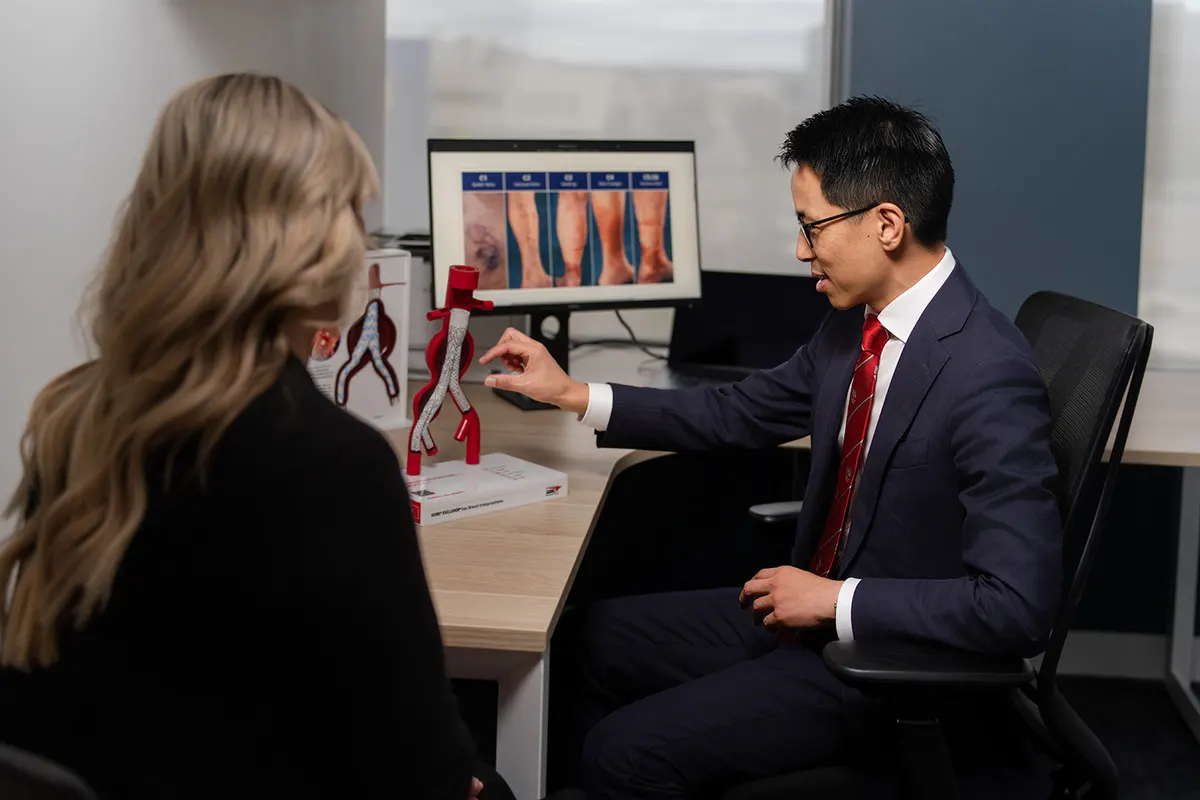
Yarra Vascular provides specialist assessment and care for varicose veins and spider veins. Whether you have uncomfortable legs, changing skin or concerns about visible veins, our clinic brings together clinical assessment, vascular ultrasound when indicated and a discussion of suitable treatment options.
The first step is understanding what is causing your concerns and what you hope to achieve. An appointment does not commit you to a procedure. Some people benefit from advice and symptom management; others may be suitable for treatment. We help you understand the choices, their limitations and the next steps in your care.
You may seek assessment for prominent or bulging leg veins, aching, heaviness, itching or swelling. Skin discolouration, eczema around the ankle, a healed venous ulcer or veins that have returned after previous treatment also warrant assessment.
Spider veins are small surface vessels that are often mainly an appearance concern. They do not automatically indicate a serious circulation problem. If they occur alongside discomfort, swelling or larger veins, the assessment considers whether an underlying vein problem needs attention. People with wounds or persistent oedema may also need care through our Wound & Oedema Clinic.
When to Seek Urgent Care
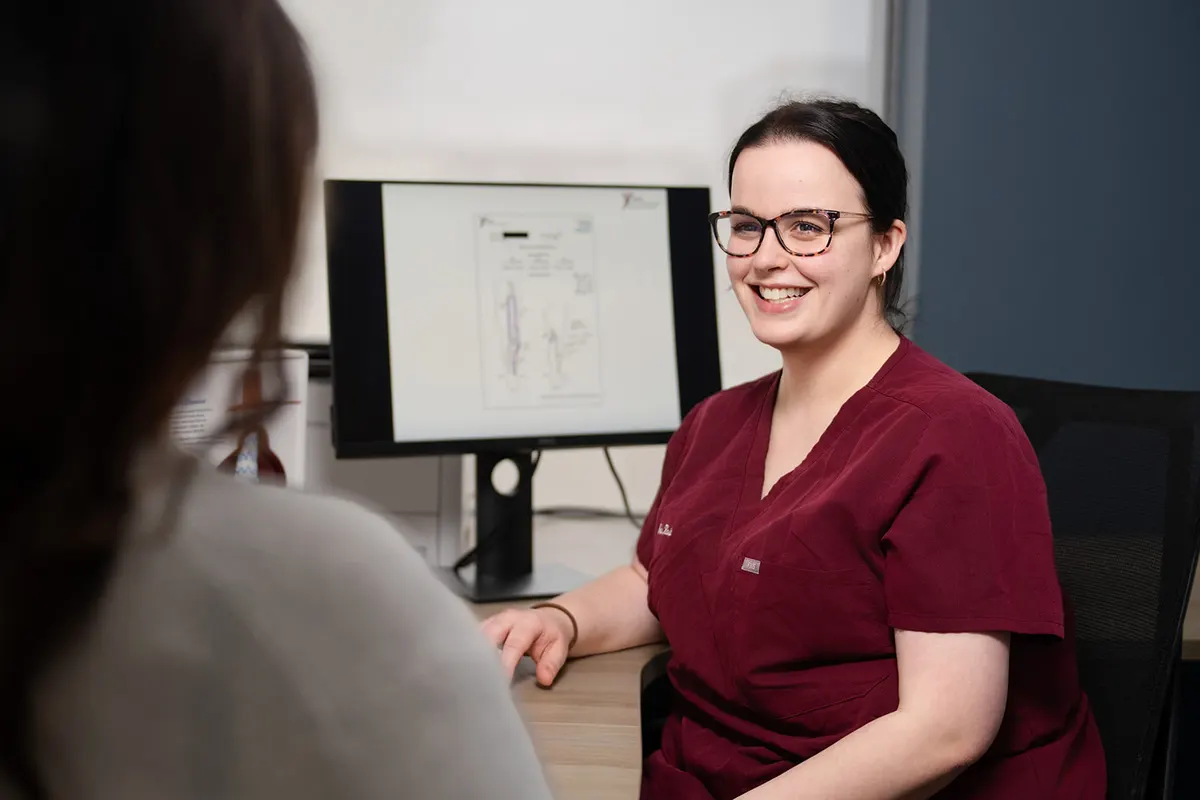
Seek urgent medical assessment for new, unexplained swelling in one leg, particularly with pain, redness or warmth, or for a red, tender vein. Do not wait for a routine clinic appointment. Bleeding from a varicose vein needs urgent medical attention; apply firm direct pressure and elevate the leg while seeking help. Call 000 for uncontrolled bleeding, chest pain, sudden breathlessness or collapse.
What to expect
Assessment
Discuss what has changed and what you hope to achieve. Your surgeon examines your legs and reviews your medical history.
Ultrasound if needed
A duplex scan can show how blood flows in your leg veins and help guide treatment decisions.
Treatment planning
Consider suitable options, their likely benefits and risks, and whether a procedure is right for you.
Follow-up
Your team explains recovery and arranges a review or repeat scan when appropriate.
What Vein Changes Can Look Like
The illustration shows spider veins, varicose veins, leg swelling (oedema), itching or irritated skin, skin discolouration and venous leg ulcers. These changes do not follow a fixed sequence. Swelling and skin changes can also have other causes.
- Spider veins
- Varicose veins
- Leg swelling (oedema)
- Itching or irritated skin
- Skin discolouration
- Venous leg ulcers
Your First Consultation
Your surgeon will ask about your symptoms, how long they have been present and their effect on daily activities. You can discuss appearance concerns as well as discomfort, and explain which changes matter most to you.
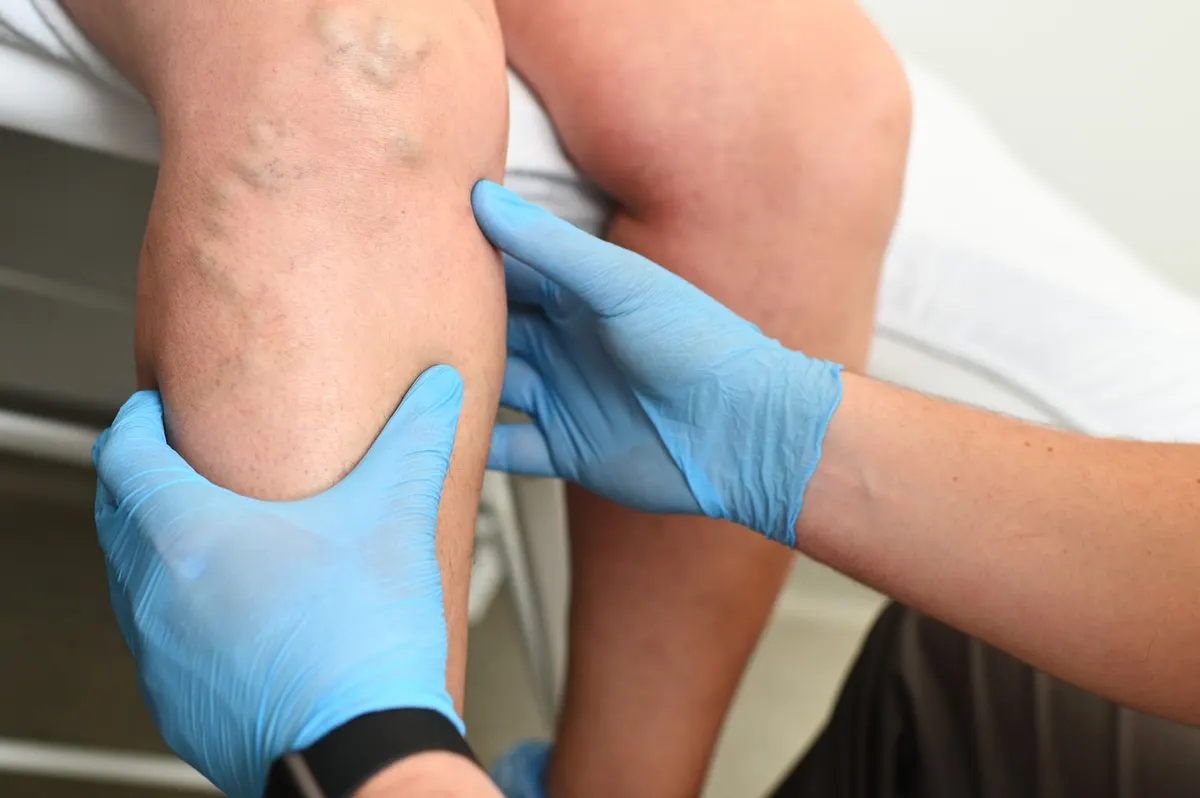
The assessment includes examination of your legs and skin, together with your medical history. Previous blood clots, vein procedures, pregnancy, medicines and other circulation problems can influence the investigations or treatment recommended. Let the team know about any bleeding, ulcers or episodes of painful, inflamed veins.
Leg discomfort and swelling can have several causes. Visible veins alone do not establish the cause of every symptom. The aim is to identify the relevant problem and explain whether vein treatment is likely to help, or whether another assessment is needed.
When Ultrasound Is Needed
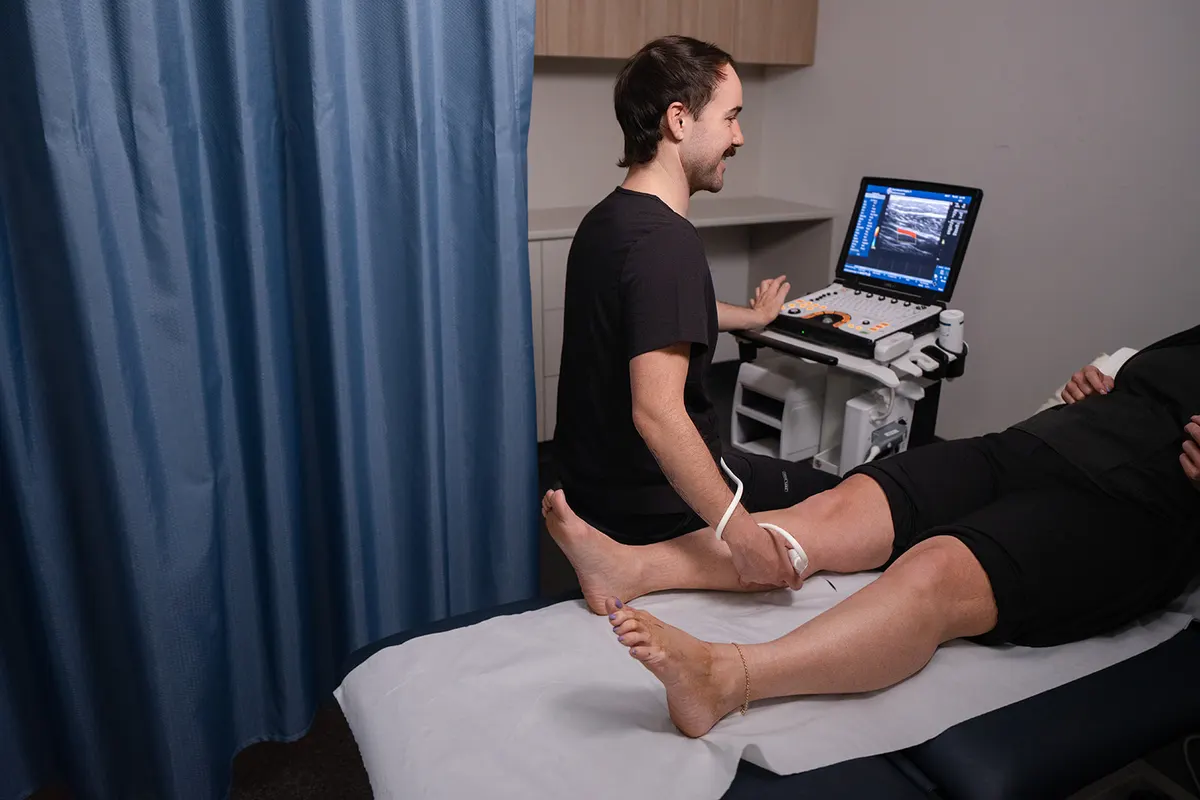
Duplex ultrasound is used to investigate suspected varicose vein disease and plan treatment. It shows the veins and measures blood flow, including reflux, where blood travels backwards because valves are not closing effectively. It is also useful when varicose veins recur after treatment.
The scan uses a probe on the skin and does not use ionising radiation. You may be asked to stand for parts of the examination. Not every person with small spider veins needs the same investigations. Your symptoms, examination and treatment being considered guide the need for imaging. Our Vascular Ultrasound Clinic supports assessment where required.
Choosing an Appropriate Treatment
Treatment is tailored to your symptoms, vein anatomy, general health and preferences. The discussion includes likely benefits, possible complications, recovery and the option of no procedure. Treatment can improve symptoms or appearance, but cannot guarantee that every visible vein will disappear or that new veins will never develop.
For suitable varicose veins, endovenous ablation closes an affected vein from within. Radiofrequency and laser techniques use heat; adhesive closure uses medical glue in selected circumstances. These approaches have different considerations, which your surgeon will explain.
Sclerotherapy uses an injected solution to close selected veins. It may be used for spider veins or varicose veins, with ultrasound guidance when needed to target veins beneath the skin. More than one session may be required. Surgery remains an option when the vein pattern or other circumstances make it appropriate.
Observation, activity, leg elevation and skin care may help manage symptoms. Compression may be recommended where appropriate, but it does not correct faulty vein valves and must be suitable for your circulation. During pregnancy, procedures are generally deferred and symptom management is considered instead.
You can take time to consider the information before deciding whether to proceed. Ask which symptoms a proposed treatment is intended to improve, what alternatives are available and whether treatment would involve one or several stages. This helps you plan around your circumstances and set realistic expectations about both comfort and appearance.
Recovery and Follow-Up
Recovery depends on the procedure, the extent of treatment and your health. Some treatments use local anaesthesia, while others require a different anaesthetic or hospital setting. Your team will explain what to expect and when you can return to driving, work, exercise and travel.
Bruising, tenderness, firmness along treated veins or temporary changes in their appearance can occur. Sclerotherapy can also cause pigmentation or small new surface vessels. Less common complications, including blood clots, skin injury, infection or nerve symptoms, depend on the treatment. Your surgeon will discuss the risks relevant to you.
Follow the advice provided about walking, dressings and compression. Follow-up depends on your treatment and clinical needs. Review appointments, and ultrasound when indicated, help assess your response and whether further treatment is appropriate. Improvements may develop gradually. Additional sessions or later treatment may be needed for remaining or recurrent veins.
Preparing for Your Appointment
Bring your referral, a current medication list, relevant scan reports and details of previous vein treatments. Include allergies and any history of blood clots. Clothing that allows your legs to be examined is helpful. Tell the team if you need assistance with standing or mobility.
If treatment is recommended, you will receive instructions specific to the procedure. Discuss medicines, pregnancy or breastfeeding, transport, work commitments and planned travel before agreeing on timing. Do not stop prescribed medicines unless your treating clinician advises you to do so. Ask about any compression garments, fasting or support at home you may need.
Specialists at the Varicose & Spider Vein Clinic in Melbourne
Our vascular surgeons assess your symptoms, consider whether imaging is needed and discuss which approaches are suitable for you.
Meet the whole team



Refer a Patient to the Varicose & Spider Vein Clinic
Refer patients for assessment of varicose veins, spider veins and associated symptoms such as aching, heaviness, swelling, skin changes or ulceration. Include the presenting concerns, affected leg or legs, relevant medical history, previous vein treatment and any available ultrasound reports.
Send a specialist referral through HealthLink using ID yvassurg, by email to [email protected] or by fax to (03) 9015 6446. The team can advise on whether a vascular ultrasound should be arranged as part of the assessment. For urgent concerns, call (03) 9132 9828.
View Referral ChannelsSpecialist consultation referrals
- HealthLink ID
- yvassurg
- [email protected]
- Fax
- (03) 9015 6446
- Phone
- (03) 9132 9828
Requesting a vascular ultrasound
If you are requesting a vascular ultrasound study, use the separate imaging request form and send it through the imaging referral channels. An imaging request is not a substitute for a specialist consultation referral.
- [email protected]
- Fax
- (03) 9015 6525
- Phone
- (03) 9132 9828, option 2
Ultrasound request form

Arrange a Vein Assessment
If varicose veins or spider veins are affecting your comfort or confidence, contact Yarra Vascular to discuss an assessment. Our team can advise on referral requirements and appointment arrangements. A consultation gives you the opportunity to understand your vein health, ask questions and make an informed choice about your care.
Mon–Thu 9am–5pm · Fri 9am–4pm
This information is general in nature and does not replace a consultation. In an emergency call Triple Zero (000).