Wound & Oedema Clinic
Specialist assessment and care for non-healing wounds, leg ulcers and persistent swelling, even when there is no wound.
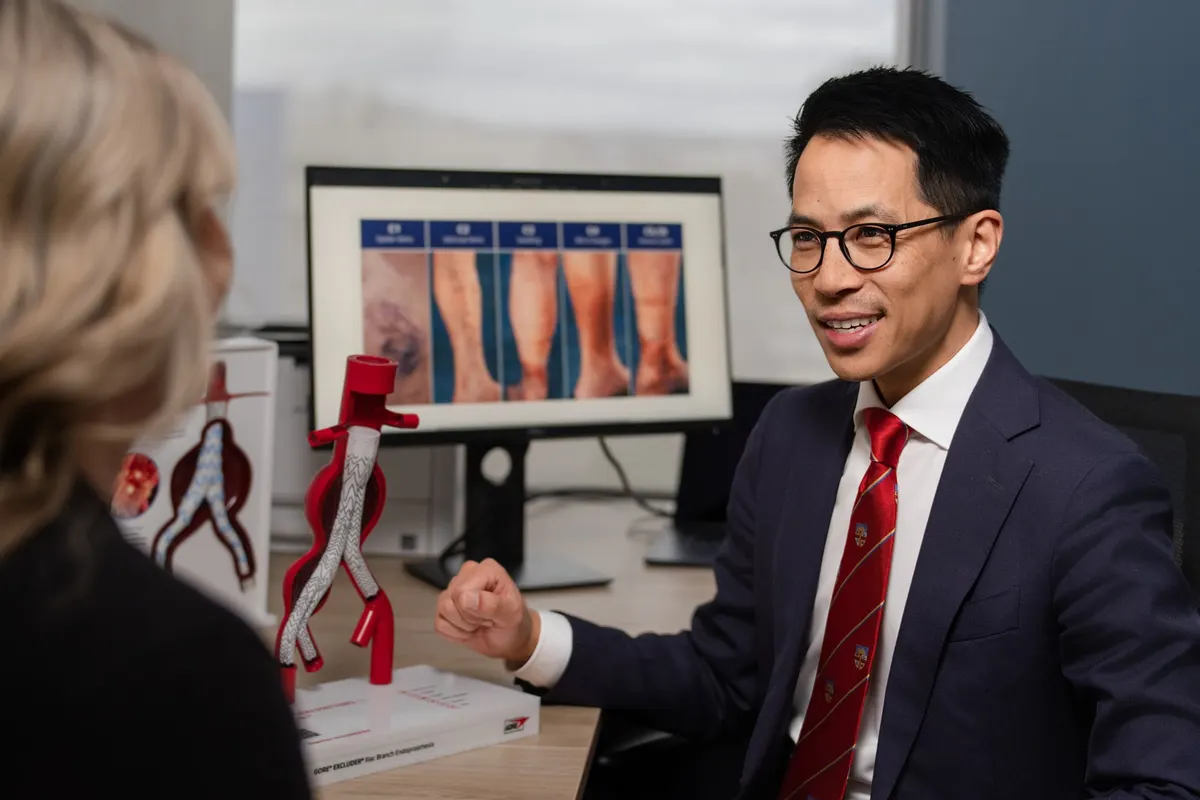
- Who it is for
- Non-healing wounds, leg ulcers and persistent swelling, with or without an ulcer
- Referral
- A referral is needed for a specialist appointment
- Imaging
- Vascular ultrasound through our integrated Vascular Ultrasound Clinic
Reasons to Seek an Assessment
Specialist Care for Wounds, Leg Ulcers and Persistent Swelling
A wound that is slow to heal or swelling that keeps returning can affect walking, footwear, sleep and everyday comfort. Finding the underlying cause helps determine which treatment is likely to help and whether further investigation is needed.
The Wound & Oedema Clinic at Yarra Vascular provides assessment of non-healing wounds, leg ulcers and persistent swelling, with access to vascular ultrasound and specialist vascular care. You can seek assessment for swelling even if your skin is intact and you do not have an ulcer. Care is planned around your symptoms, circulation, general health and previous treatment.
The clinic assesses non-healing wounds, venous ulcers, persistent lower-limb swelling and lymphoedema. It can also review the underlying factors associated with recurrent cellulitis and advise when there is uncertainty about suitable compression. A current infection or sudden deterioration may need urgent medical assessment rather than a routine clinic appointment.
The clinic can assess people with a leg or foot wound that is healing slowly, an ulcer that has returned, or swelling associated with aching, heaviness, skin irritation or colour change. A wound may follow a minor injury, develop around the ankle, or affect a pressure point on the foot.
Persistent swelling deserves attention in its own right. Shoes may become tight, socks may leave deeper marks, or the skin may feel stretched. Understanding why fluid is accumulating can help guide care before skin damage develops.
- A leg or foot wound that is healing slowly
- An ulcer that has returned
- Shoes becoming tight, or socks leaving deeper marks
- Aching, heaviness, skin irritation or colour change
Seek Urgent Care for Sudden or Worsening Symptoms
New, unexplained swelling in one leg, particularly with pain, warmth or redness, needs urgent medical assessment because a blood clot or infection may be present. A new diabetic foot wound needs same-day medical advice. Attend an emergency department urgently for a wound with rapidly spreading redness, fever, blackened tissue or severe worsening pain. Do not wait for a routine clinic appointment.
Call Triple Zero (000)
For chest pain, difficulty breathing, collapse, or a suddenly cold, pale and severely painful limb, especially with numbness or weakness.
A Structured 12-Week Programme
Our Wound & Oedema Clinic provides a structured three-visit programme for people with persistent lower-limb swelling, venous disease, lymphoedema and complex wounds. The aim is to identify the factors contributing to the problem, develop an individual management plan and support longer-term control of swelling and wound care.
The clinic brings together vascular medicine, vascular surgery, sonography and nursing expertise. Care is tailored to your clinical needs; assessment may identify more than one cause of swelling or delayed healing.
The programme is available at Epping and Heidelberg.
- Visit 1Start
Initial Assessment
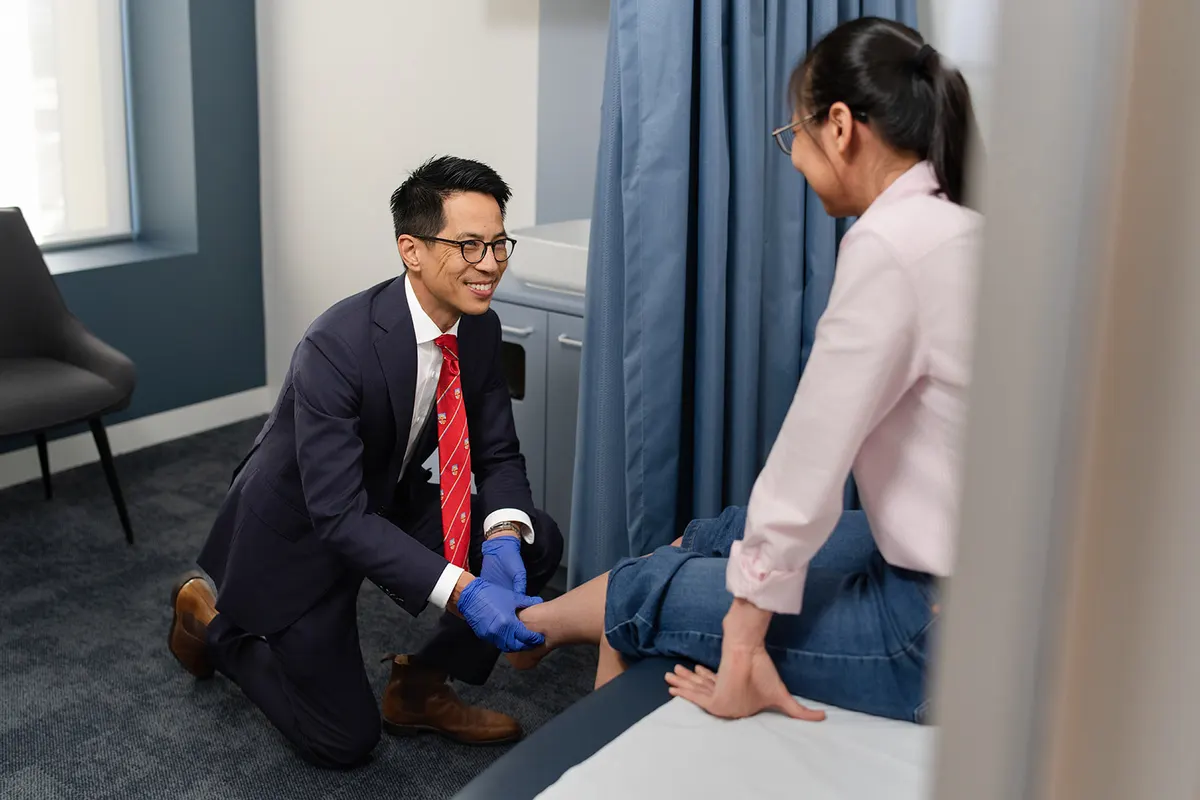
Your first visit includes a detailed history and examination, arterial ultrasound and toe pressure testing, with additional investigations where indicated. The team assesses circulation, considers whether compression is appropriate and develops an initial management plan.
- Visit 2Week 4
Four-Week Review
The review considers venous ultrasound findings, wound progress, swelling control and your response to treatment. Compression tolerance and other aspects of the management plan are reviewed and adjusted as needed.
- Visit 3Week 12
Twelve-Week Maintenance and Prevention Review
The team reviews progress and plans ongoing care, including measures to reduce recurrence. A management letter is provided to your GP summarising the diagnosis, findings, treatment, maintenance plan and reasons to seek reassessment.
Understanding Wounds and Oedema
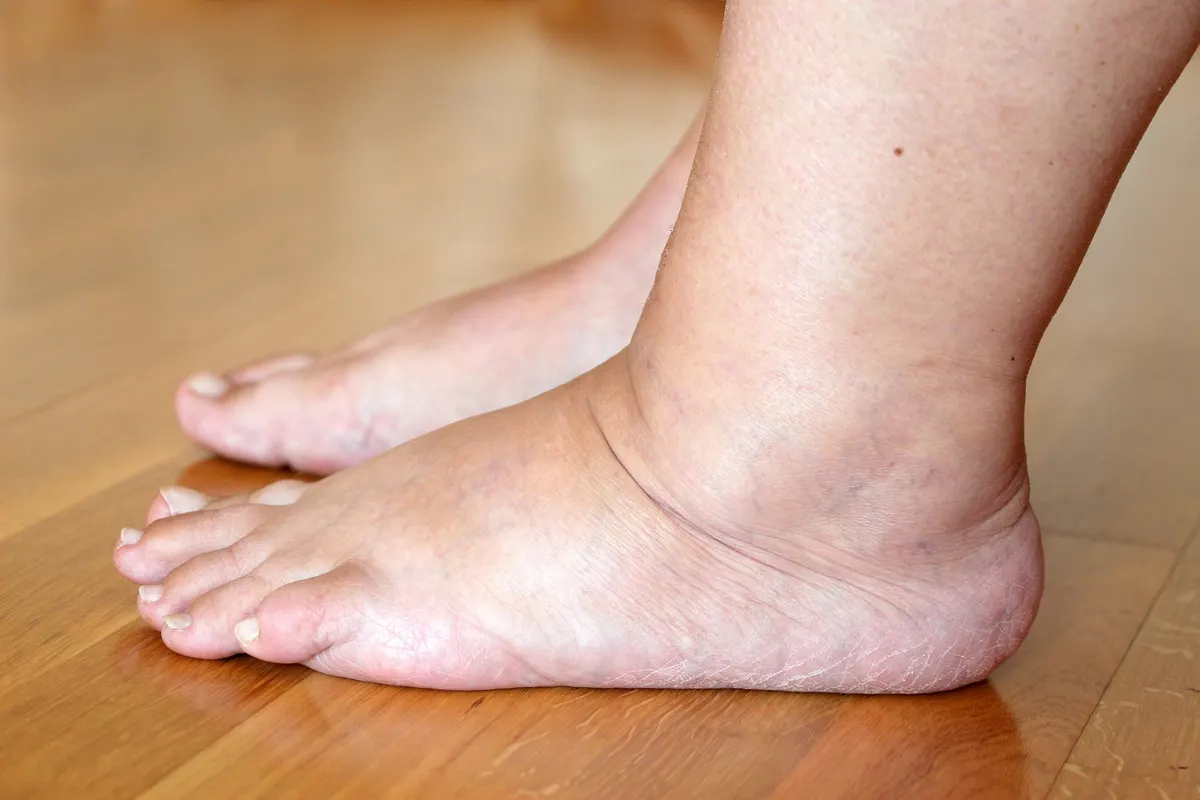
Oedema means swelling caused by fluid collecting in the tissues. It commonly affects the ankles and lower legs and may involve one or both sides. Swelling can vary through the day and may be accompanied by discomfort, heaviness or skin changes.
Problems with leg veins can increase pressure in the smaller blood vessels and contribute to fluid accumulation. Previous deep vein thrombosis can also leave lasting changes in venous drainage. Persistent venous pressure may cause eczema, discolouration, skin thickening and ulcers.
Other causes include reduced lymphatic drainage, medication effects, limited mobility, and heart, kidney or liver conditions. Several causes can coexist. Assessment considers these possibilities, with further medical or specialist referral where appropriate.
Why a Wound May Not Heal
Healing requires an adequate blood supply and protection from repeated injury. Some wounds have both arterial and venous contributing factors.
Arteries
Narrowed or blocked arteries can limit the oxygen reaching a wound.
Veins
Venous disease can interfere with healing through sustained pressure and swelling.
Diabetes
Diabetes can increase risk through reduced sensation, pressure damage, impaired circulation and infection. A wound may therefore be significant despite causing little pain.
Other causes
Pressure, inflammation and other skin conditions can also contribute. An unusual or persistently unexplained ulcer may need additional investigation, including a skin sample or another specialist opinion.
Your Assessment at the Clinic
Your specialist will ask when the problem began, how it has changed, and which treatments have already been tried. Relevant history includes previous ulcers, blood clots, vein treatment, arterial disease, diabetes and other medical conditions. Medicines, mobility and the effect on daily activities also help guide assessment.
Examination may include checking the wound, surrounding skin, swelling, foot pulses and sensation. The position and appearance of the wound provide useful clues, but further testing may be required to establish its cause.
How Vascular Ultrasound Can Help
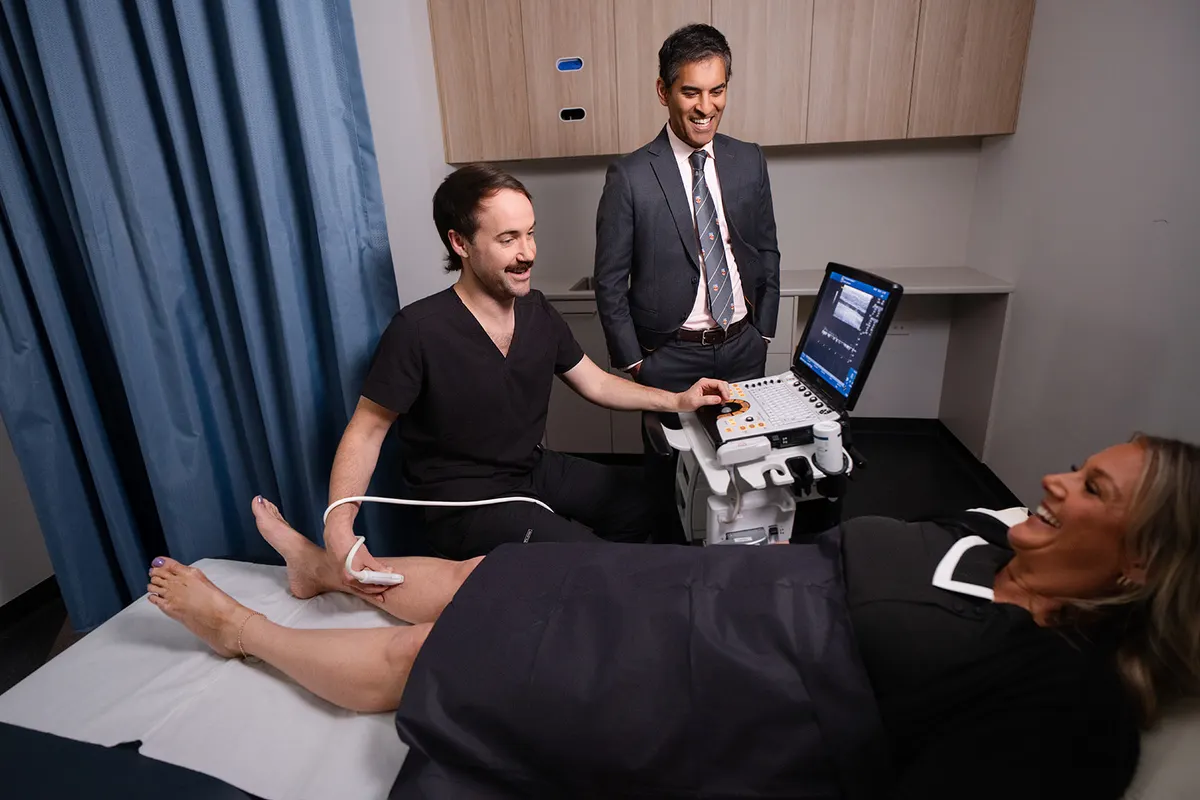
Vascular ultrasound examines blood flow through arteries and veins. Depending on the clinical question, it can investigate reduced arterial circulation, venous reflux or obstruction, and suspected blood clots. Ankle or toe pressure measurements may also help assess blood supply to the foot.
Yarra Vascular has an integrated Vascular Ultrasound Clinic. Where imaging is needed, our team can advise how it should be arranged alongside your assessment. Results are considered with the examination and medical history to guide treatment or further investigation.
Treatment Matched to the Cause
The care plan may combine wound treatment, swelling management and measures to address the underlying condition.
Depending on the findings, advice may include suitable activity, skin care, leg positioning and management of medical conditions. Do not change prescribed medicines or begin strong compression without clinical advice.

Wound care
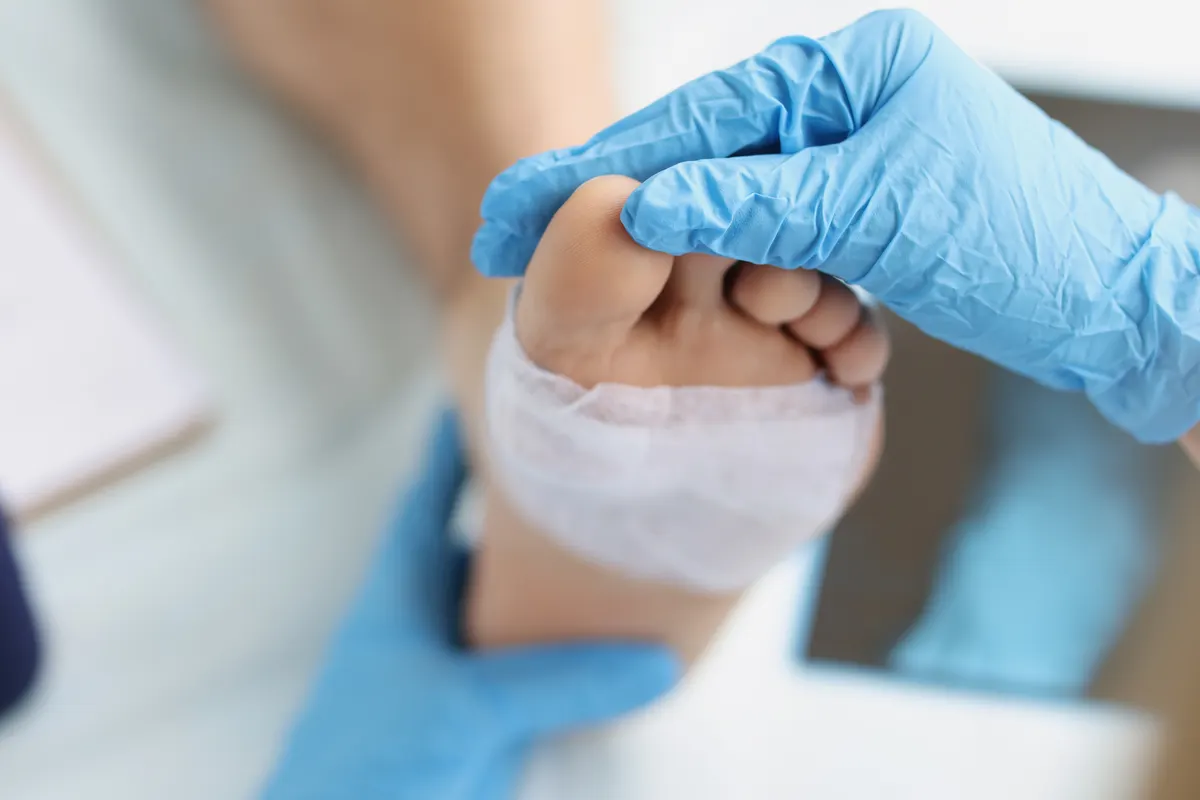
Appropriate dressings protect the wound and manage fluid. Dead tissue may need removal, and pressure on an affected area may need reducing. Antibiotics are used when clinically indicated for infection; they are not routinely required for every chronic wound.
Swelling and compression
Compression can support venous circulation and reduce swelling in suitable patients. The type and strength should be recommended by the treating clinician.
Arterial circulation must be assessed before selecting compression, because strong compression can be unsafe when blood supply is significantly reduced.
Treating the underlying cause
Some patients benefit from treatment of an underlying vein or artery problem. Where venous reflux contributes to an ulcer or symptoms, a procedure to treat the affected veins may be considered. When poor arterial circulation limits healing, angioplasty, stenting or bypass surgery may be discussed.
The choice depends on symptoms, imaging, wound severity, general health and the expected benefits and risks. Many patients need ongoing medical and wound care without an operation. Your specialist will explain the options and coordinate with your GP and other treating professionals when needed.
Ongoing Care and Preventing Recurrence
Wounds can take time to heal, and swelling may need continuing management. Follow-up assesses changes in wound size, drainage, pain and skin condition. If progress slows or symptoms worsen, the diagnosis or treatment plan may need review.
After healing, protecting the skin and managing contributing conditions remain important. Depending on the cause, this may involve prescribed compression, appropriate footwear, foot checks, activity, diabetes management or vascular surveillance. Care can involve your GP, community wound services, podiatry or other specialists according to your needs.
Preparing for Your Appointment
Please bring:
- Relevant referrals
- Previous scan reports
- A current medicine list
- Details of dressings or treatments already used
- Dated photographs, which can help show how the wound or swelling has changed
Let the team know about mobility difficulties or assistance you may need.
Contact our rooms to discuss an appointment, suitable location and any referral or preparation requirements. Clinic arrangements and investigations depend on your individual needs.
Specialists at the Wound & Oedema Clinic in Melbourne
Our vascular specialists assess your circulation and consider how blood flow, vein problems and other conditions may be contributing to wounds or swelling.
Meet the whole team



Refer a Patient to the Wound & Oedema Clinic
Use the clinic referral form and include the wound or swelling concerns, affected leg or legs, duration of symptoms, relevant investigations and medical history.
Send referrals through HealthLink using ID yvassurg, by email to [email protected] or by fax to (03) 9015 6446. For urgent concerns, call (03) 9132 9828 to discuss the appropriate next step.
Specialist consultation referrals
- HealthLink ID
- yvassurg
- [email protected]
- Fax
- (03) 9015 6446
- Phone
- (03) 9132 9828
Wound and oedema referral form
Send the completed form through HealthLink, email or fax.
GP clinic guide

Arrange a Wound or Swelling Assessment
Yarra Vascular brings wound and oedema assessment together with vascular imaging and expertise in arterial and venous disease. Whether you have a wound that is not healing or persistent swelling without an ulcer, contact our team to arrange an assessment and understand the next steps in your care.
Mon–Thu 9am–5pm · Fri 9am–4pm
This information is general in nature and does not replace a consultation. In an emergency call Triple Zero (000).